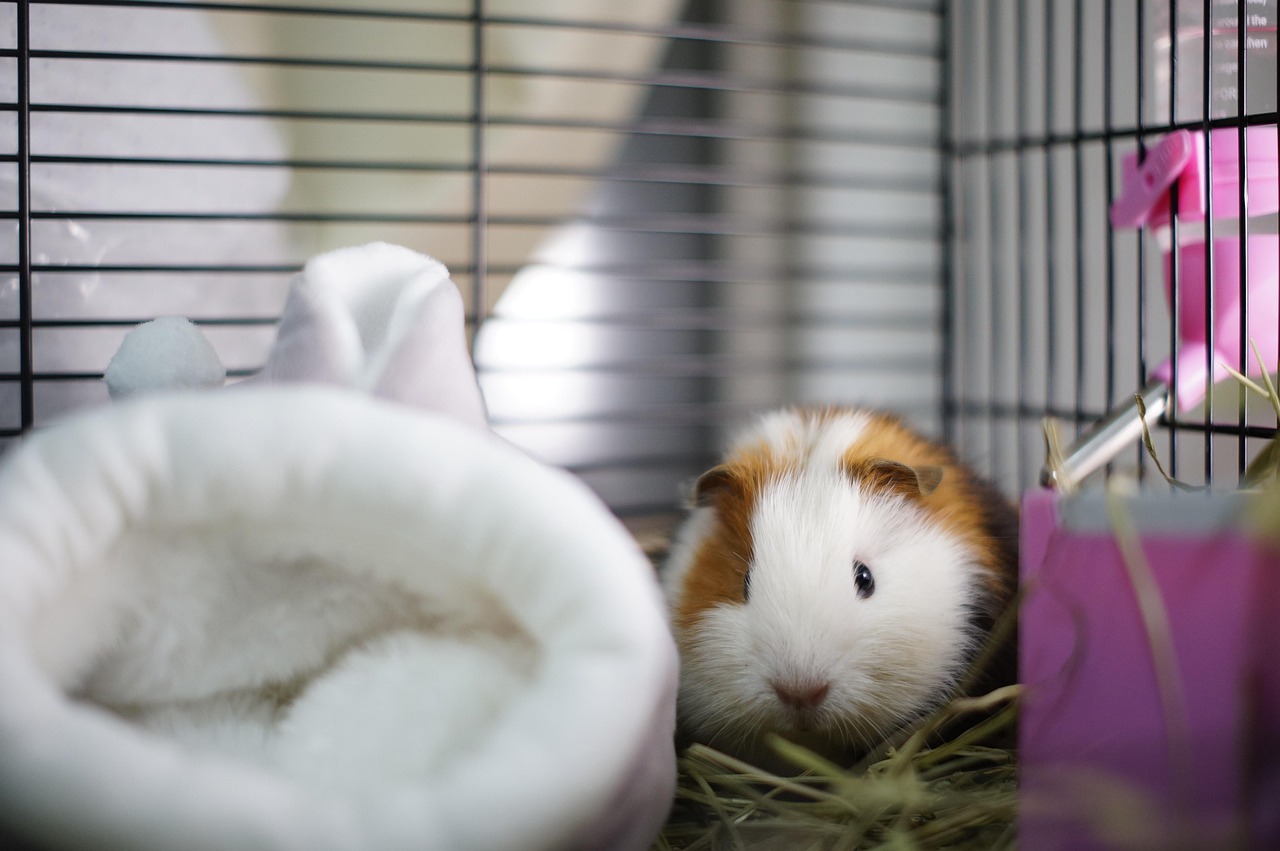
The most common conversation we have at the counter starts with someone who has bought a cage described as suitable for two guinea pigs and has noticed the animals are not moving much. The cage is not faulty. It is simply sized to fit a retail shelf and a car boot, and welfare guidance and retail packaging have never agreed.
Floor area, not volume
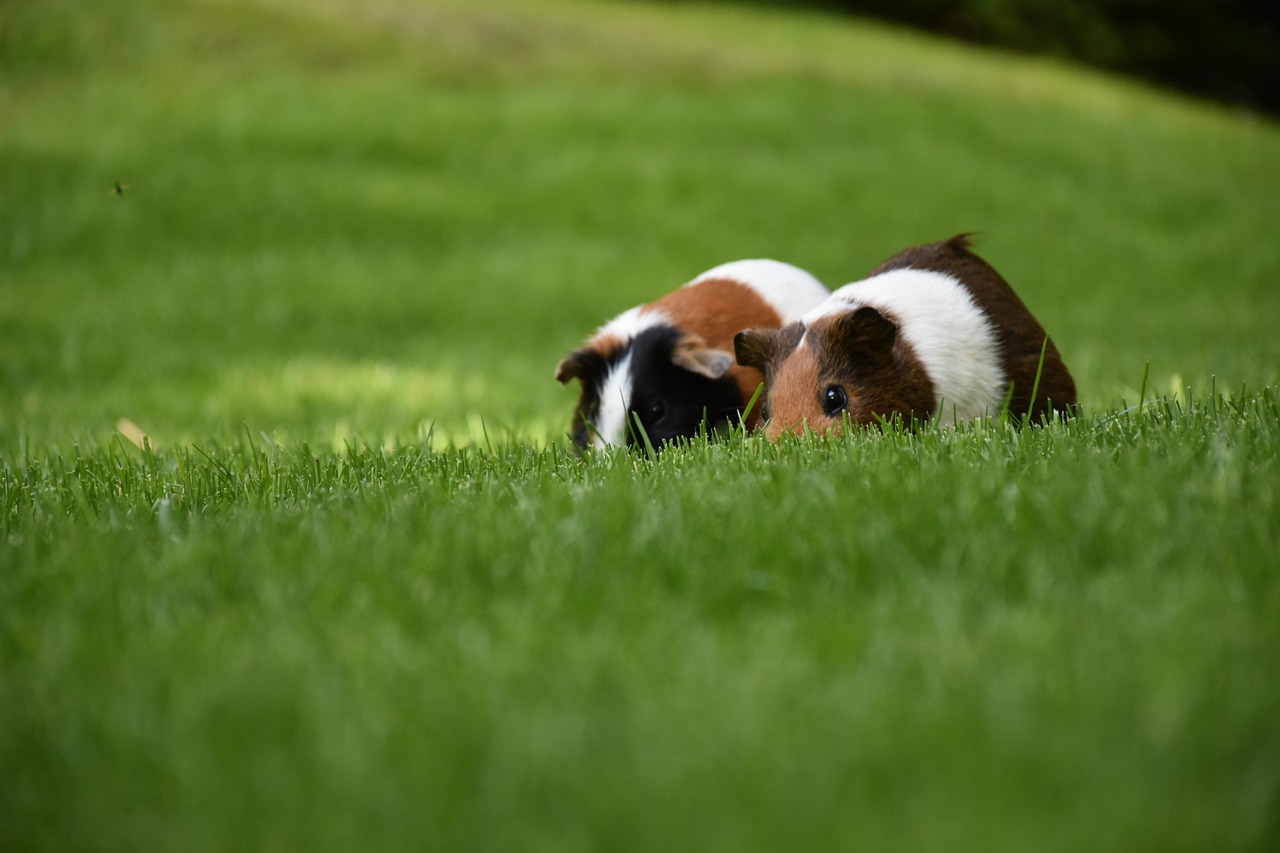
Guinea pigs do not climb. They run in short bursts, forage along the ground and need somewhere to retreat that is not where they eat. All of that is horizontal.
A cage that adds a second level looks bigger and adds very little usable space for a guinea pig, which uses ramps reluctantly and often not at all. The same money spent on a longer single-level habitat produces an animal that behaves normally.
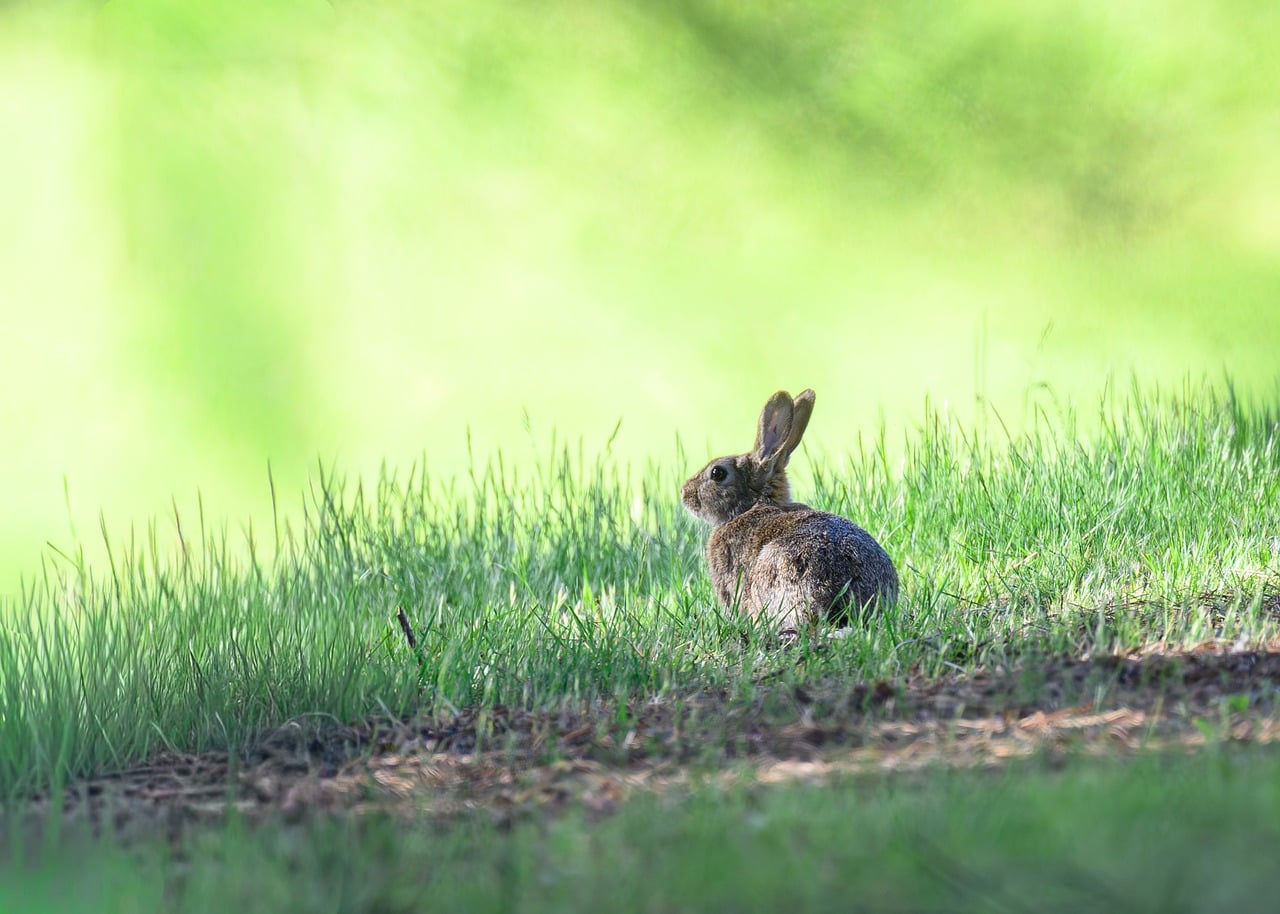
Rabbits do use height — they stand on their hind legs to survey — so a rabbit habitat needs enough headroom for the animal to sit fully upright without its ears touching. Beyond that, again, length matters more.
Working figures
- Two guinea pigs: around 7.5 square feet of continuous floor, minimum. Three or four animals need substantially more.
- One rabbit: enough length for three consecutive hops, and enough height to sit upright. For most rabbits that is considerably larger than a standard hutch.
- Hamsters: a large continuous floor area matters more than tubes and levels; burrowing depth matters as much as footprint.
These are minimums for animals with daily time outside the cage, not generous targets.
Why modular habitats work out better
Grid-and-panel habitats — the modular kind built from wire grids and a waterproof base — give more square feet per dollar than almost any commercial cage, and they can be reconfigured. Add a section when you add an animal; make an L-shape to fit around furniture; open a side to connect a run.
Our habitats and playpens range covers both modular systems and portable pens, with assembled dimensions on every listing so you can measure the space before ordering rather than after.
Layout inside the space
Square footage on its own is not enough; how it is divided decides whether the animals use it.
- Separate zones. Sleeping, eating, toileting and open running should not overlap. Animals that have to sleep next to their toilet do not settle.
- Two hides per animal, minimum. Prey species need an escape route and somewhere to be alone. One hide between two guinea pigs creates competition.
- Hay somewhere separate from the toilet corner. Hay is food and bedding at once, and it must stay clean.
- Clear runway. Leave one long open stretch. Guinea pigs popcorn and rabbits binky, and both need a straight line to do it in.
Hides are under hideouts and beds, with dimensions and species suitability listed — a hide that fits a hamster will not fit a rabbit, and that is exactly the mistake the listing is there to prevent.
Floor surface
Wire floors cause bumblefoot and should never be used for guinea pigs or rabbits. The floor needs to be solid, with either absorbent bedding or a washable liner over it.
Fleece liners over an absorbent layer are the usual choice for guinea pigs, because they are washable and easy to inspect. Paper bedding suits burrowing species better. Both are under bedding and cage liners, and there is a full guide to choosing between them elsewhere on this journal.
Run time is not a substitute
Daily time in a run or a pen improves any setup, and it does not license an undersized cage. The animals spend most of the day in the cage, and that is where the space has to be.
Where a run genuinely helps is with a cage that is adequate rather than generous, and with rabbits in particular, who benefit enormously from a larger area to move in for part of the day.
Cleaning scales with size, but less than you think
People worry that a bigger habitat means more cleaning. In practice it usually means less frequent full cleans, because animals concentrate their toileting in one corner and a larger space stays acceptable for longer. Spot-clean the toilet corner daily and do a full strip weekly, whatever the size.
Cleaning kit is under grooming and cleaning.
What we would actually buy
For two guinea pigs: a modular habitat around 2 feet by 4 feet, fleece liners over an absorbent layer, two hides, a hay rack away from the toilet corner and a clear run down one side.
For a rabbit: a pen rather than a hutch, connected to a daily run, with a litter box in the corner the rabbit chooses and hay above it.
Dimensions and species suitability are on every listing. If you are working with a specific alcove or corner, send us the measurements and we will suggest a layout. We are on State Highway 3 in League City, Monday to Friday and Saturday mornings. See the FAQ or browse the range.
From our shelves
Products in this store that relate to what is covered above:
Prices are in US dollars. Delivery timings are on our shipping policy page and the return and refund policy sets out the window if something is not right.
Key points
- Floor area matters far more than height for guinea pigs and rabbits — they run and forage rather than climb.
- Pet-store cage sizing reflects what fits on a shelf, not what an animal needs. Treat the box figure as a floor, not a target.
- Two guinea pigs want around 7.5 square feet of continuous floor space; more is better and a single long run beats two levels.
- Rabbits need room to take three consecutive hops and to stand fully upright on their hind legs without touching the roof.
- Modular grid habitats are usually cheaper per square foot than a commercial cage and can be reconfigured as needs change.
- A run or playpen used daily does not replace cage size, but it substantially improves a cage that is only adequate.
Related reading