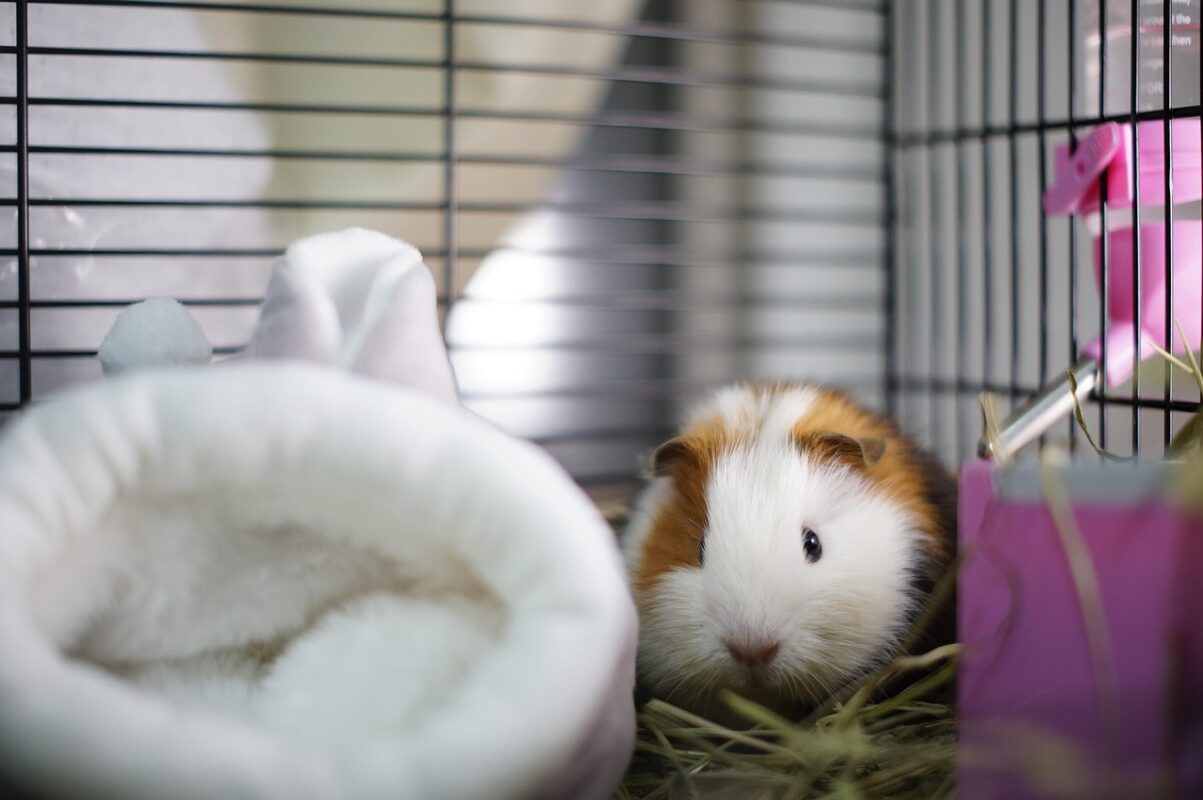
Most small-animal introductions that go wrong go wrong for the same three reasons: the wrong species pairing, an introduction on one animal’s home ground, and a space too small for either to withdraw. All three are avoidable.
Who should live with whom
Guinea pigs
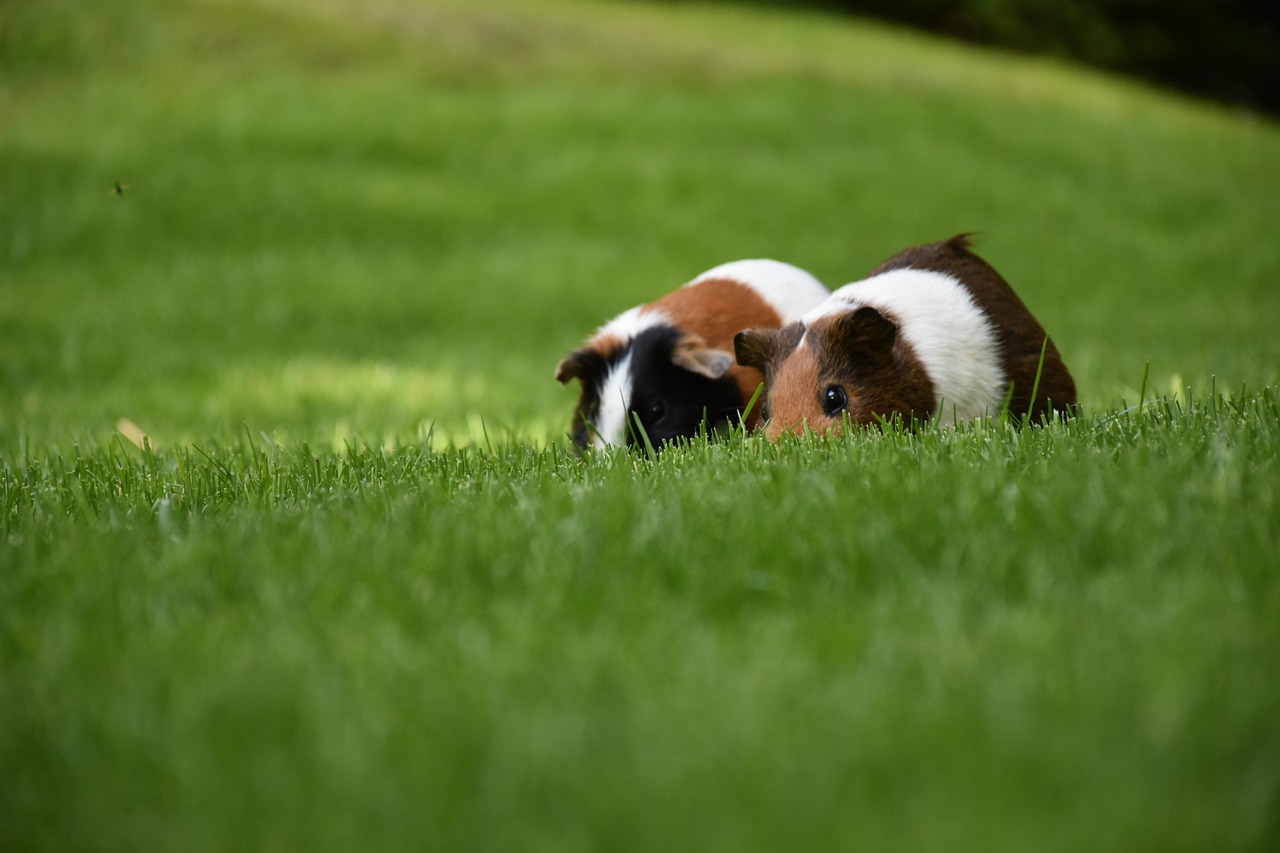
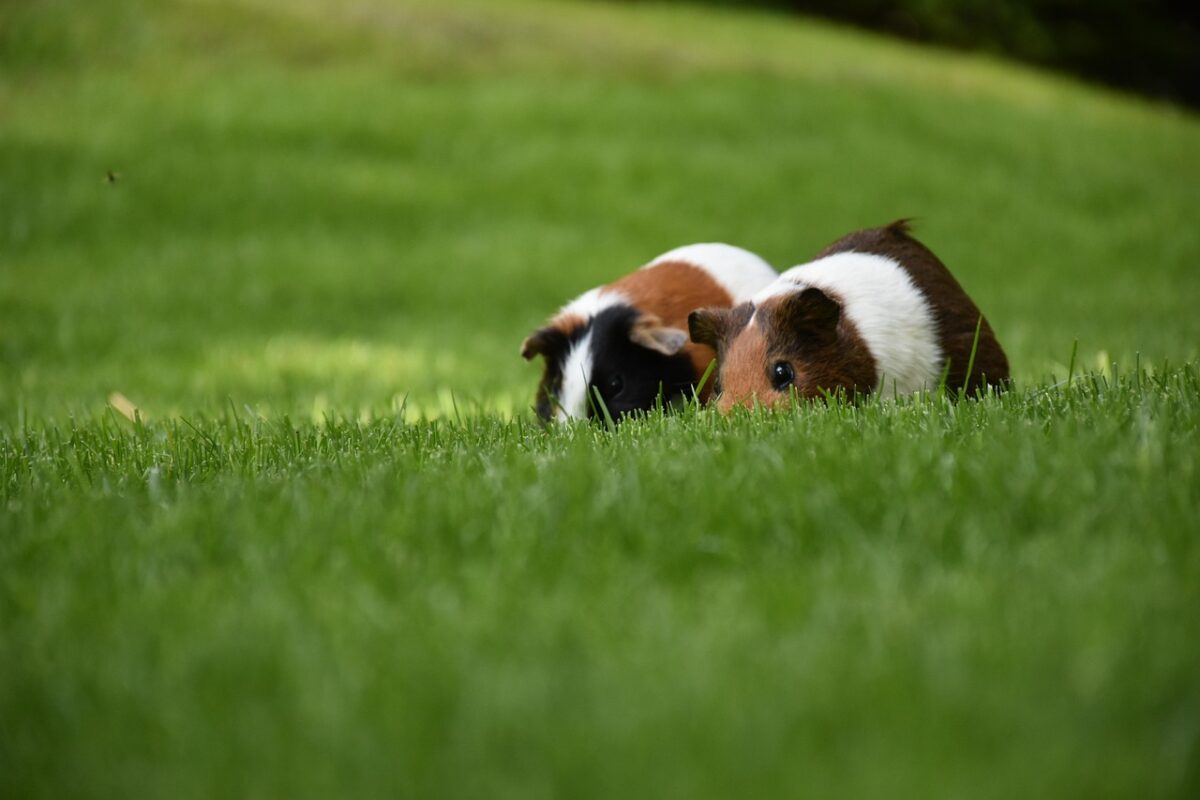
Highly social and should not live alone. Two females is the easiest pairing. A neutered male with a female works well. Two males can work, particularly if raised together, but needs more space and more hides.
Rabbits
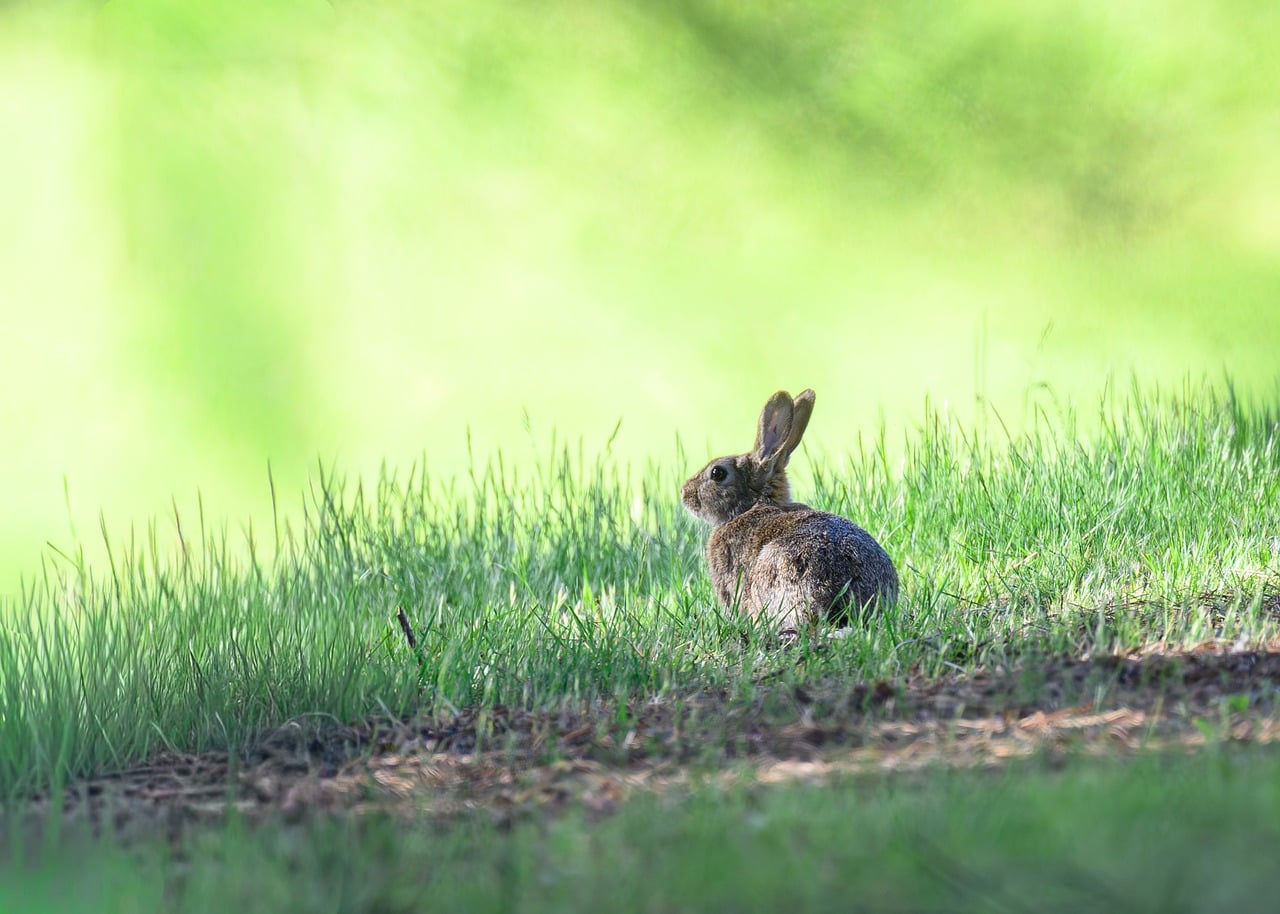
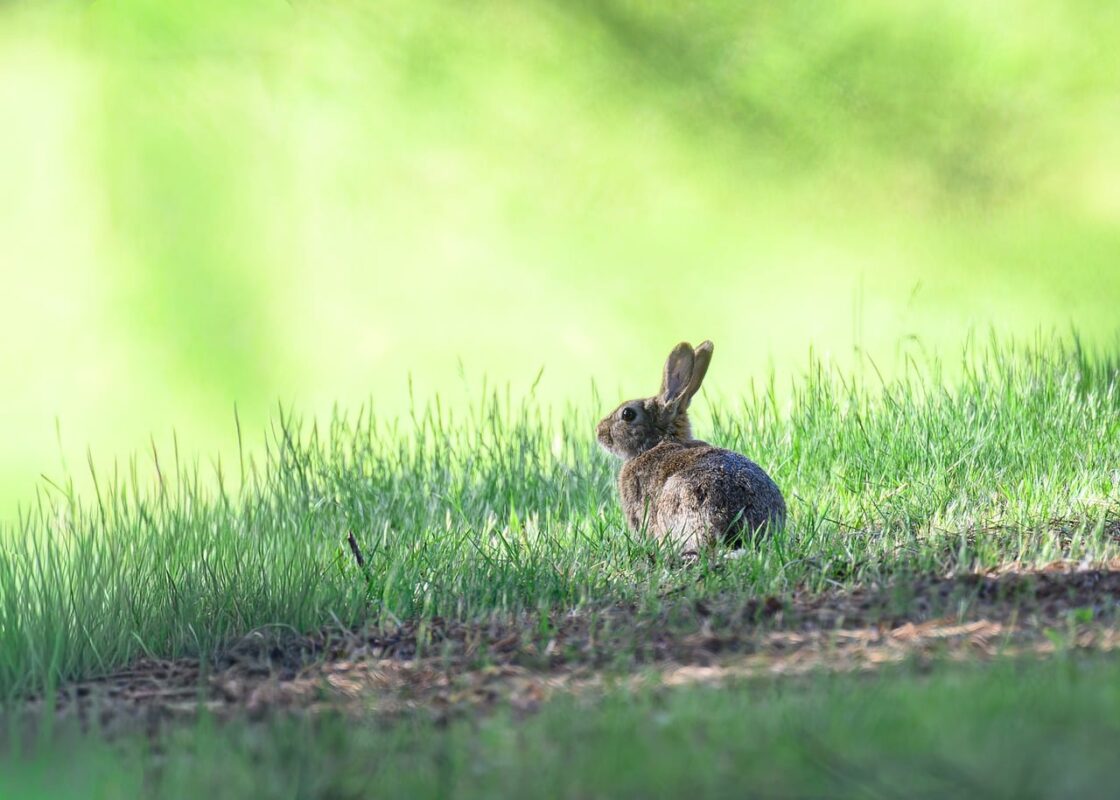
Also social, and a bonded pair is a considerable improvement on a solitary rabbit. Both animals almost always need to be neutered first — entire rabbits fight seriously, and hormones override temperament.
Syrian hamsters
Solitary. This is not a preference or a training issue: adult Syrians housed together will fight, often fatally. They must live alone.
Dwarf hamsters
Sometimes tolerate same-sex pairs from the same litter, and frequently do not. Always be prepared to separate permanently, which means having a second habitat ready before you try.
Across species
Rabbits and guinea pigs should not be housed together. The rabbit is far stronger and can injure a guinea pig with a single kick, their dietary requirements differ, and rabbits carry bacteria that make guinea pigs ill.
Quarantine first
Any new animal spends at least two weeks in a separate room, with separate equipment and hands washed between. Respiratory infections and skin parasites are common in newly acquired small animals and have an incubation period.
This is also the window in which to have a health check done, which is worth doing before an introduction rather than after.
The introduction itself
- Swap scents first. Exchange a piece of bedding or a hide between the two habitats for several days so each animal is familiar with the other’s smell.
- Choose neutral ground. A pen or a cleared floor area neither animal has used. This matters more than anything else on the list.
- Make it big and open. Large enough that both can move away from each other, with no corners or tunnels where one can be cornered.
- Duplicate resources. Two hides, each with two exits. Two water sources. Two piles of hay, well apart.
- Supervise throughout. Stay for the whole session, with a towel and a piece of card to hand for separating without using bare hands.
- Repeat and extend. Several sessions over days or weeks, lengthening as things settle.
- Move to a cleaned habitat. When they are settled together, move both into a fully cleaned cage rearranged so it is not either animal’s territory.
Normal versus not normal
Normal, leave it alone: chasing, mounting, rumbling and swaying, chattering teeth, one animal following the other closely. This is dominance being established and it usually settles within a week or two.
Stop immediately: lunging with teeth, blood drawn, a sustained chase where one animal cannot escape, or one animal cornered and not being allowed to move.
If you separate after a serious fight, go back to scent swapping and start again more slowly. Some pairs never work, and having a second habitat available is not pessimism, it is preparation.
Space is the variable you control
Almost every persistent conflict we hear about resolves when the habitat gets bigger. Two animals in a cage sized for one will fight over resources that would not be contested with room to spare.
Adding a second animal means adding floor area, not just a second hide. Modular systems under habitats and playpens are the practical way to do that, and there is a full guide to cage sizing elsewhere on this journal.
Duplicate hides matter as much as area — see hideouts and beds, and make sure each has two exits so neither animal can be trapped.
Afterwards
Watch food intake and weight for both animals for the first fortnight. A subordinate animal can be quietly excluded from food without any visible aggression, and weight loss is the first sign.
Feed from two stations well apart, keep hay in two racks, and check both animals are eating and producing normal droppings. Feeding equipment is under hay feeders and feeding.
We are happy to talk a specific pairing through — get in touch. See the FAQ or browse the range.
From our shelves
Products in this store that relate to what is covered above:
Prices are in US dollars. Delivery timings are on our shipping policy page and the return and refund policy sets out the window if something is not right.
Key points
- Guinea pigs and rabbits are social and generally do better in pairs; Syrian hamsters are solitary and must live alone.
- Quarantine a new animal in a separate room for at least two weeks before any introduction.
- Introduce on neutral ground that neither animal has scent-marked, in a space large enough for both to withdraw.
- Provide duplicates of everything — two hides, two water sources, two food stations — and no dead ends.
- Chasing, mounting and rumbling are normal dominance behaviour; drawn blood or sustained pursuit means separate immediately.
- Neutering is usually necessary before rabbits can be paired successfully, and it takes several weeks to take effect.
Related reading