Bedding is the item people buy most often and think about least, and it is the one with the clearest safety line running through it. Small mammals have efficient, sensitive respiratory systems and spend their entire lives lying in whatever is on the floor of the cage.
What to avoid
Cedar
Not suitable for any small mammal. The aromatic oils that make cedar smell pleasant are respiratory irritants at the concentrations present in an enclosed cage. There is no safe way to use it.
Untreated pine shavings
The same problem in milder form. Kiln-dried pine has had much of the phenol content driven off and is used by many keepers, but if you are choosing fresh, paper is the simpler safe answer.
Fluffy nesting material
Cotton-wool style bedding sold for hamsters is genuinely dangerous. The fibres wrap around limbs and cause constriction injuries, and they do not break down if swallowed. Plain paper strips do the same job safely.
Scented anything
Fragranced bedding masks the smell of a cage that needs cleaning and adds volatile compounds to the air the animal breathes.
What works
Paper-based bedding
The default for most species. Highly absorbent, low dust, safe if nibbled, and it holds a burrow reasonably well. It is what we stock most of under bedding and cage liners.
Aspen
The one wood shaving that is safe, because aspen is a hardwood without the aromatic oils. Good burrowing structure, less absorbent than paper.
Hemp
Very absorbent, very low dust, excellent odour control. More expensive, and a good choice for animals with any respiratory sensitivity.
Fleece liners
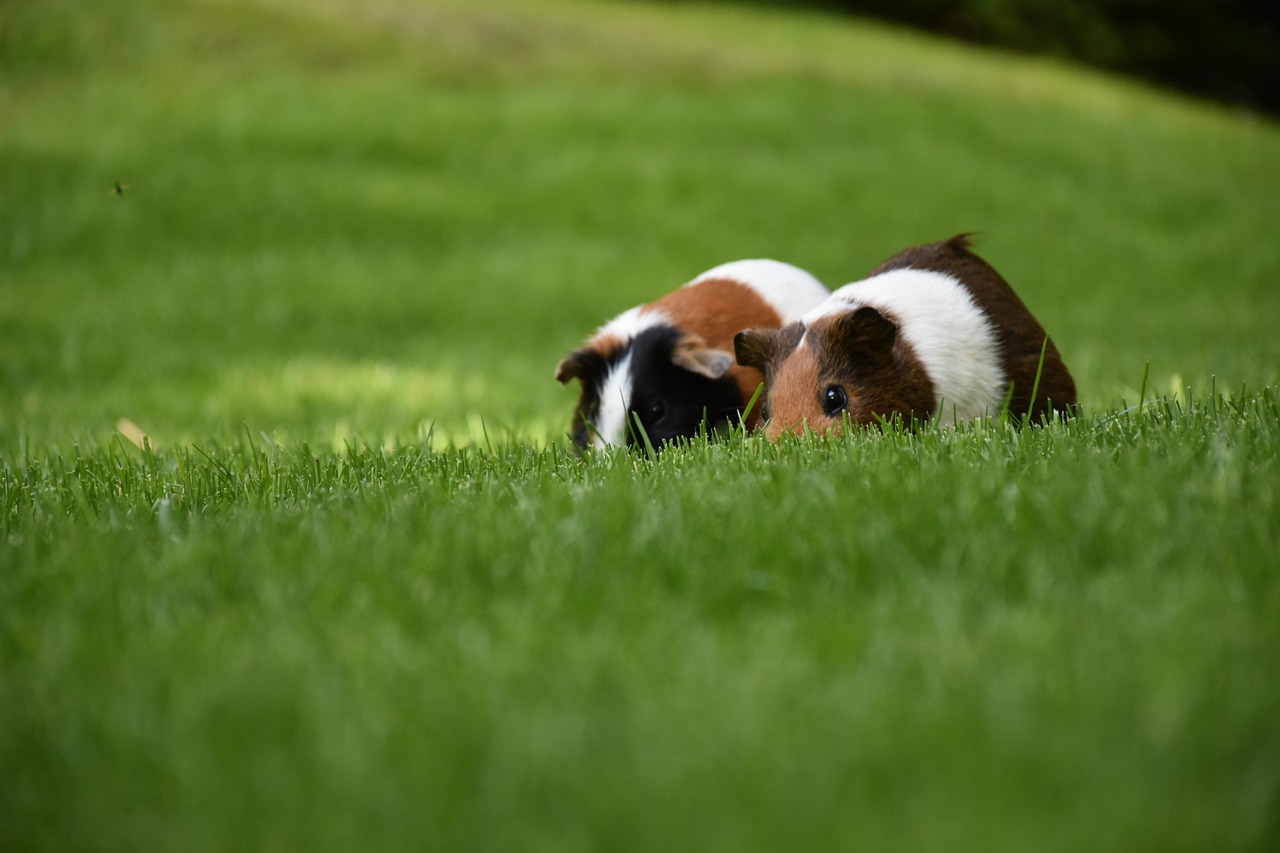
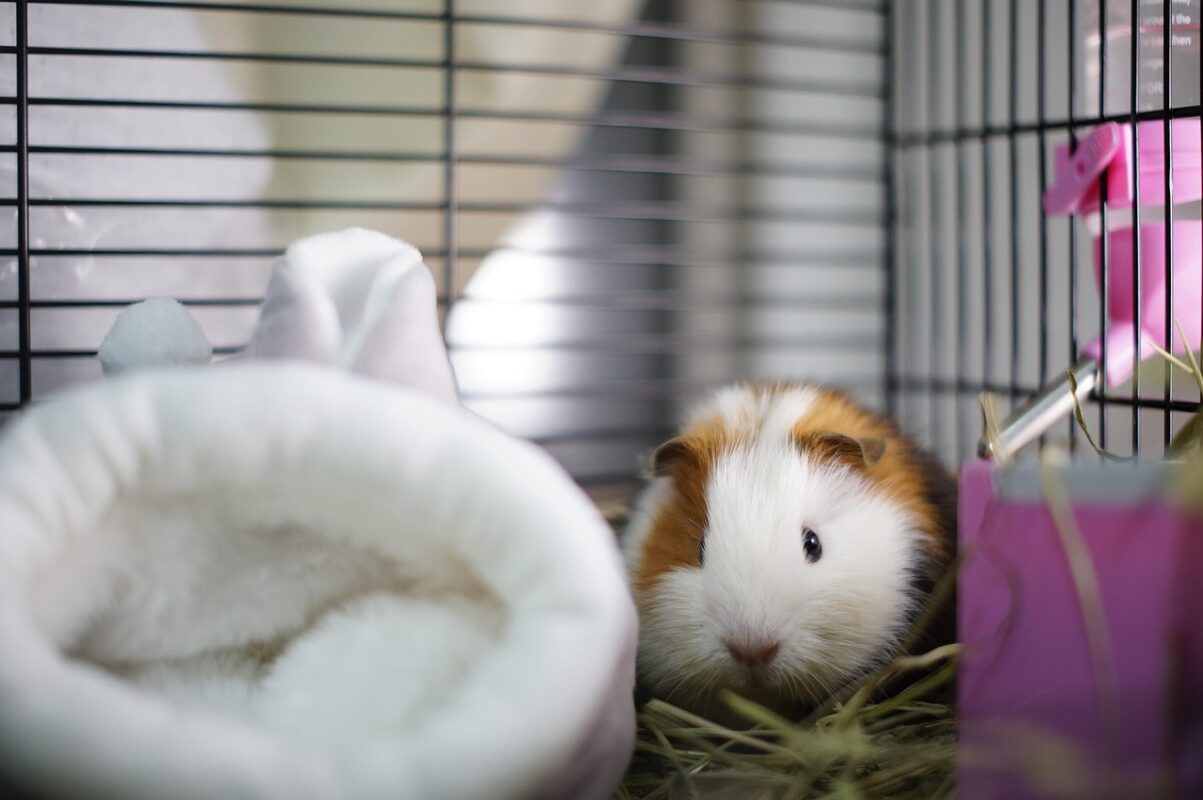
Washable, reusable and easy to inspect, which is why they are so popular for guinea pigs. Fleece does not absorb on its own — it wicks — so it needs an absorbent layer underneath. Wash warm, and never with fabric softener, which coats the fibres and stops the wicking entirely.
Depth, and why it matters
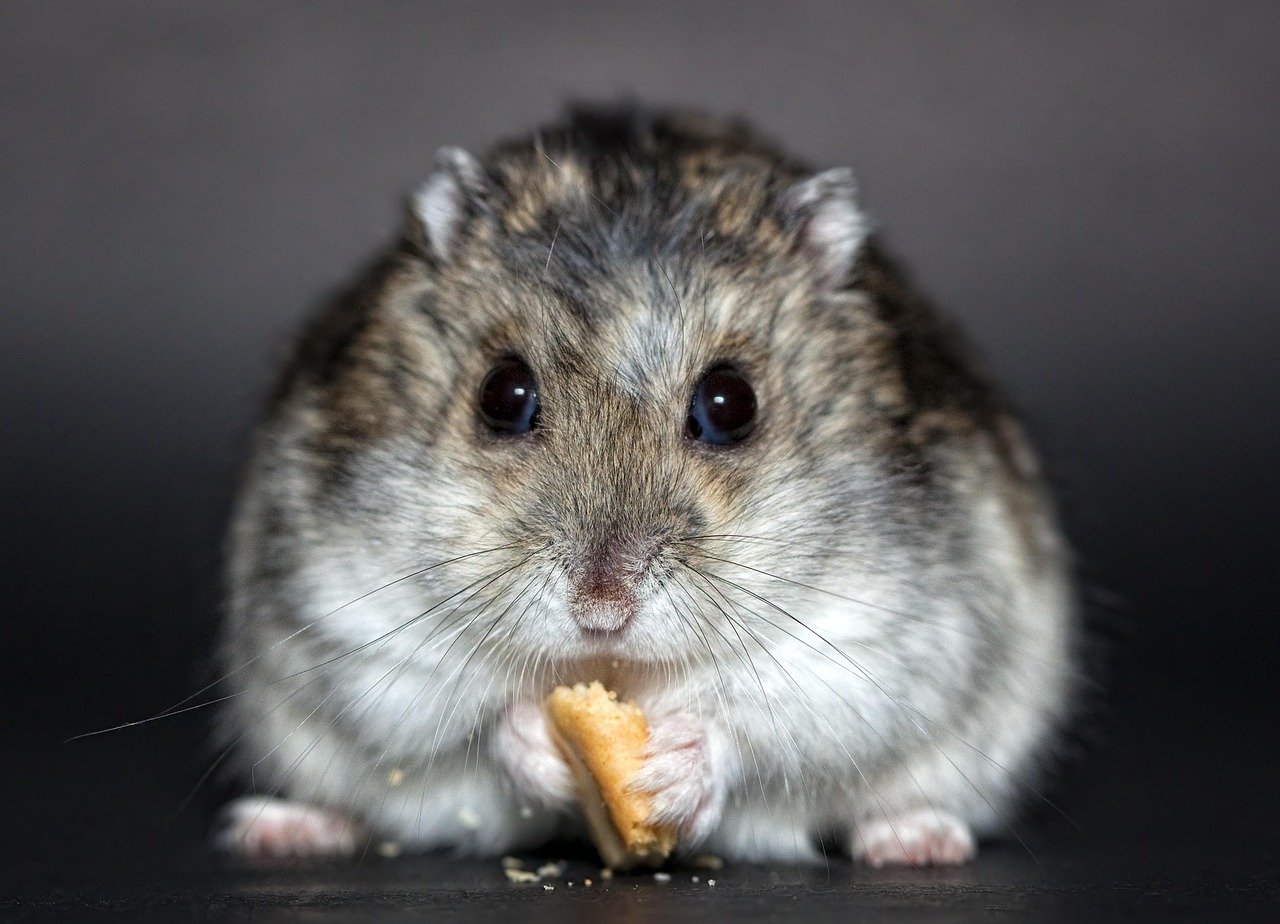
For burrowing species, depth is not a luxury. Hamsters in particular are compulsive burrowers, and a shallow scatter of bedding denies a behaviour they are strongly motivated to perform. Several inches of paper or aspen lets a hamster build tunnels, which is one of the more visible improvements you can make to its life.
Guinea pigs and rabbits do not burrow indoors in the same way, so depth matters less than absorbency and cleanliness for them.
Buying by volume, not by bag
Compressed bedding expands, and the expansion ratio varies enormously between products. A small heavy brick can produce more usable bedding than a large light bag.
Compare the expanded volume in litres, which is what our listings state, rather than the physical size of the packaging.
A cleaning rhythm
- Daily: remove soiled bedding from the toilet corner and any wet patches; refresh hay.
- Weekly: full strip and replace, wash the base, wipe down surfaces.
- Weekly, for fleece: shake out loose debris outside, then machine wash warm without softener.
Keep a handful of used bedding when doing a full clean and mix it into the fresh. The familiar scent settles animals that would otherwise re-mark the whole cage.
The Gulf Coast humidity problem
Humidity here is the local complication. Damp bedding does not dry out on its own, and damp bedding grows mould and ammonia far faster than dry bedding does.
In practice that means checking more often in summer than a guide written for a drier climate would suggest, keeping habitats out of unconditioned garages and porches, and favouring the more absorbent options — hemp and good paper bedding — over aspen when the air is heavy.
Ammonia is the thing to watch
If you can smell ammonia at nose height above the cage, the concentration at animal height is considerably higher, and that is a respiratory problem rather than a housekeeping one. Ammonia damage is cumulative and often shows up as sneezing or eye discharge long before anything looks dirty.
Smell test at floor level once a week. It is more reliable than looking.
Putting it together
Most households do well with paper bedding in the toilet area, a fleece liner over an absorbent layer across the open floor, and generous hay kept separate from both. Hay racks that keep hay off the floor are under hay feeders and feeding, and hides to sit on top of it all under hideouts and beds.
Ask us if you are dealing with a specific respiratory issue or a difficult smell problem. The FAQ answers common questions and everything is on the shop page.
From our shelves
Products in this store that relate to what is covered above:
Prices are in US dollars. Delivery timings are on our shipping policy page and the return and refund policy sets out the window if something is not right.
Key points
- Avoid cedar entirely and untreated pine shavings for small mammals; the aromatic oils are a respiratory irritant.
- Paper-based bedding is the sensible default for guinea pigs, rabbits and rats — absorbent, low dust and safe.
- Buy bedding by expanded volume in litres, not by bag size. Compressed packs vary enormously.
- Depth matters for burrowing species: hamsters need several inches, not a thin scatter.
- Fleece liners cut running costs but need an absorbent layer beneath and laundering without fabric softener.
- Never use cotton wool or fluffy nesting material — it wraps around limbs and is dangerous if ingested.
Related reading